
H

H, Water Treatment

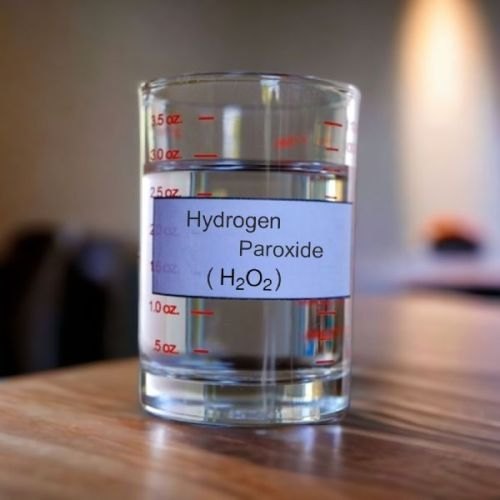
Hydrogen Peroxide (35% 50% 60%) (H2O2)

Hydrogen Peroxide (35% 50% 60%) Hydrogen Peroxide is a clear, colorless liquid with strong oxidizing properties, available in concentrations of 35%, 50%, and 60%. It is widely used for bleaching in textiles and paper, water and wastewater treatment, chemical synthesis, disinfection, and various industrial oxidation processes. Synonyms Carbamide Peroxide; Hydrogen Dioxide; Peroxide ; Dihydrogen doxide ; Oxydol ; Hydroperoxide Formula H₂O₂ CAS No 7722-84-1 HS Code 28470000 Industries We Serve Healthcare and Pharmaceuticals Water and Wastewater Treatment Pulp and Paper Industry Textile Industry Food and Beverage Industry Cosmetics and Personal Care Chemical Manufacturing Agriculture Industry Mining and Metallurgy Electronics and Semiconductor Industry Environmental and Pollution Control Applications Used for bleaching cotton, wool, silk, and other fibers. Serves as a key bleaching agent for high-quality paper production. Applied for disinfection, oxidation of impurities, and odor control. Used as an oxidizing agent and in the manufacture of peroxides and other chemicals. Approved in certain grades for sterilization of packaging materials and food processing equipment. Utilized as an antiseptic, disinfectant, and in formulations of hygiene products. Applied in semiconductor cleaning and extraction processes due to its oxidizing nature.
H, Textile & Dyeing, Chemical Manufacturing

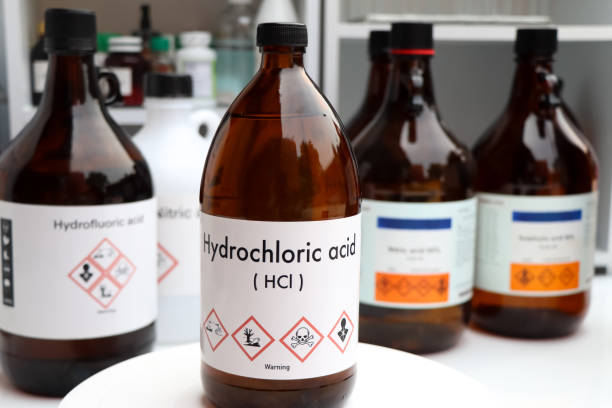
Hydrochloric Acid / Muriatic acid (HCl)

Hydrochloric Acid Hydrochloric Acid is a clear, highly corrosive, strong mineral acid with a sharp, pungent odor. It is widely used in steel pickling, pH control, water treatment, chemical manufacturing, food processing, and cleaning applications. Synonyms Muriatic acid; Chlorohydric acid; Hydrochloride; Spirits of salts; Hydrogen chloride (acid) Formula HCl CAS No 7647-01-0 HS Code 28061000 Industries We Serve Chemical Industry Metallurgy Food Industry Water Treatment Oil and Gas Industry Construction Industry Pharmaceutical Industry Textile Industry Electronics Industry Household and Industrial Cleaning Mining Industry Paper and Pulp Industry Laboratories Applications Used to regulate the pH of solutions in various industrial processes Water treatment Production of chlorides Used as a reagent in organic chemistry to produce various organic compounds, including dyes, pharmaceuticals, and plastics Used in the steel industry to remove rust, scale, and other impurities from steel surfaces before further processing Used in the production of food additives like gelatin, as well as in the processing of sugar, corn syrup, and other food products Used in the oil and gas industry for acidizing wells Dyeing and finishing in the textile industry Used as a reagent in laboratories for titrations, chemical synthesis, and sample preparation Key ingredient in household cleaning products used to remove tough stains, limescale, and rust from surfaces like toilets, tiles, and sinks Used to descale boilers, heat exchangers, and other household and industrial equipment by dissolving mineral deposits and preventing build-up Used in the leather tanning industry Used in the extraction of metals from ores Used in the refining of metals Used to control the pH during the bleaching and processing of paper Used to clean and etch concrete, bricks, and tiles before applying coatings or paints Used in the electronics industry for etching Used to neutralize alkaline waste streams before discharge into the environment Used in flue gas treatment to remove harmful gases like sulfur dioxide (SO₂) from industrial emissions

Scroll to Top